I Refused to Take Down the Video of My Sister Vandalizing My New House — And It Finally Forced the Truth Into the Light
The first thing I noticed when I stepped into my new home was the smell.
Not the fresh-paint optimism I had been dreaming about for months. Instead, it was the harsh, chemical burn of spray paint — the kind that announces damage before your eyes can even process it.
My living room wall screamed in giant black letters:
YOU DON’T DESERVE THIS.
The dining room, hallway, and kitchen cabinets were covered in more: SELFISH. FAKE. THIEF. And the cruelest one of all: MUST BE NICE TO BUY LOVE WITH MONEY.
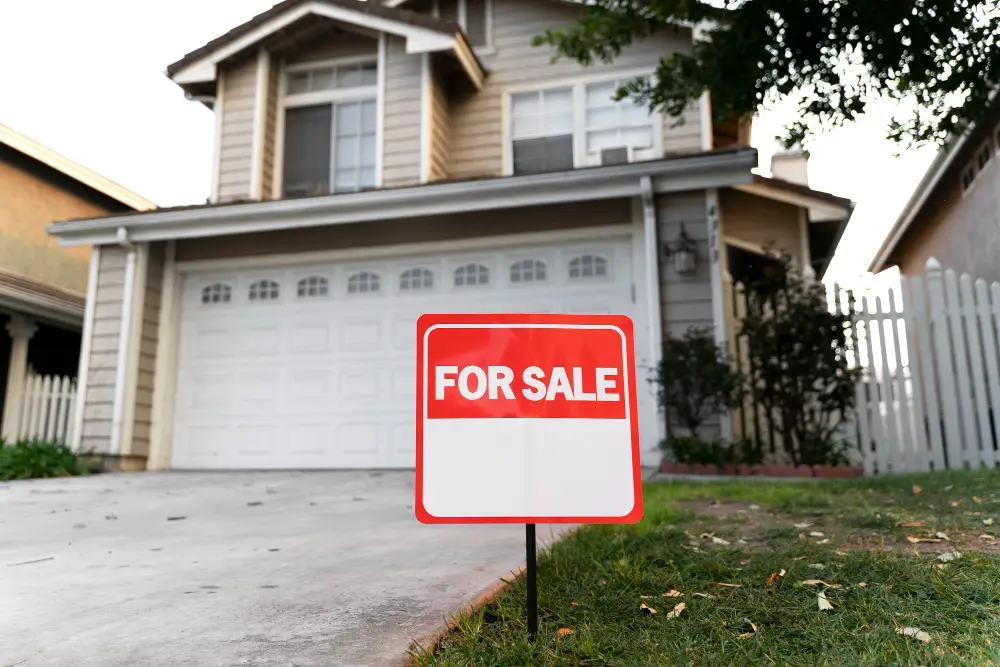
I had just closed on my first house — a charming 1940s colonial outside Pittsburgh with a blue front door and a backyard perfect for the vegetable garden I had planned for years. After twelve years as a nurse practitioner, working night shifts through the pandemic with no inheritance or family safety net, this home was mine. Paid for with my own relentless effort.
And my sister Tessa had broken in at 1:12 a.m., wearing gloves and a cap, and deliberately destroyed it out of jealousy.
The security footage was crystal clear. She used the family emergency code my mother had asked me to share. She knew exactly what she was doing.
I could have stayed quiet. That’s what my family had trained me to do for years — be the reasonable one, the one who absorbs the hurt, shrinks her successes, and keeps the peace so no one else feels uncomfortable.
But this time, I refused.
I backed up the video, filed a police report, and posted it online with a straightforward caption naming Tessa and describing what happened.
Within hours, my family wasn’t just upset — they were in full crisis mode.
My mother arrived crying, not to help clean up the damage, but to demand I delete the post immediately. “She’s your sister,” she kept saying, as if biology erased the crime.
My father, who lives quietly in Arizona, was one of the few who actually supported me. He sent money for repairs that insurance wouldn’t cover and simply asked, “What do you need?”
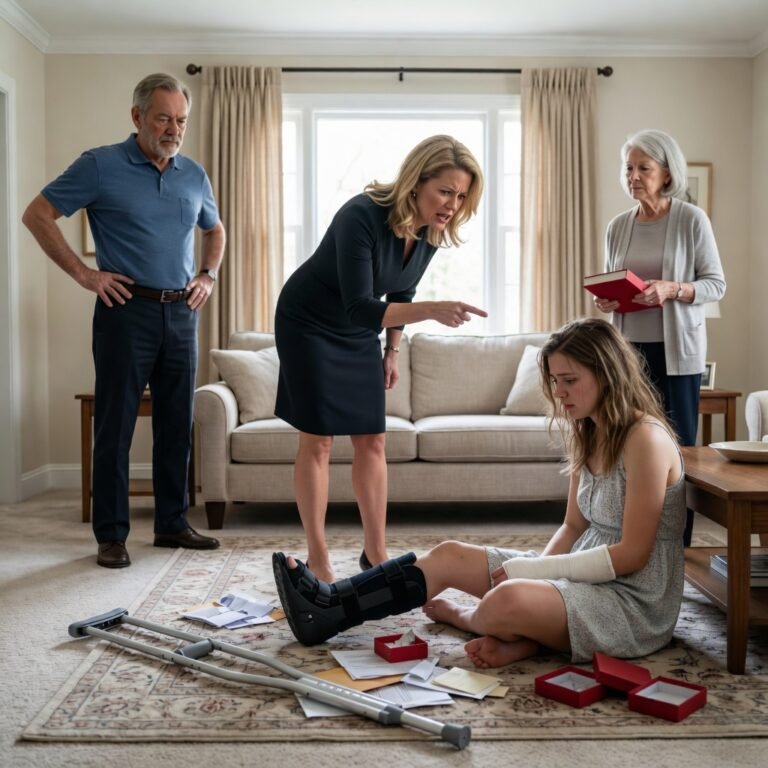
The family even staged an “intervention” — cousins, aunt, mother, and Tessa all sitting in a living room arranged like a courtroom, pressuring me to protect Tessa’s reputation and take the video down “for the family.”
I looked at them and finally said what I had been swallowing for decades:
“I’m not taking the video down. And I won’t be discussing this again.”
When my mother threatened that if I walked out, the family wouldn’t be there for me, I told her the honest truth:
“They haven’t been here for me in a long time.”
I left.
Tessa eventually took a plea deal: restitution, community service, counseling, and a restraining order. Some relatives acted like I had destroyed her life. A few stopped speaking to me.
But something important shifted.
The video stayed up long enough for the truth to land where it needed to. Then I archived it — not because I was pressured, but because it had served its purpose.
Nearly a year later, Tessa asked to meet in a therapist’s office.
She finally admitted the raw truth she had never said out loud before:
“I hated that you bought that house. Not because of the house… but because you built something real, and when it didn’t fall apart, I needed to break something. I needed you to feel what it was like to have something ruined.”
It wasn’t an easy conversation, and I didn’t forgive her that day. Some wounds take longer than one honest moment to heal.
But for the first time, there was no performance. No rewriting of reality. Just two sisters sitting in the truth — with a professional there to hold the space.
The Deep Lesson I Learned
For years, my family had operated on an unspoken rule: one person (me) must stay quiet, absorb the resentment, and shrink their own joy so everyone else could avoid discomfort. Tessa’s unhappiness was treated like weather I had to adjust around. My success was treated like a threat that needed managing.
Blood was used as a shield against accountability. “She’s your sister” was supposed to erase the harm.
I finally understood that protecting someone from the consequences of their own actions isn’t love — it’s enabling.
Real love sometimes requires refusing to participate in the lie.
By posting the video and refusing to take it down, I didn’t set out to punish my sister. I set out to stop being complicit in a system that required me to be smaller than the truth.
The house is beautiful again. The blue door is still there. The garden is thriving — tomatoes, basil, and those stubborn peppers I dreamed about. I walk through the clean walls most days without thinking about the red paint.
But the biggest change isn’t the house.
It’s me.
I no longer shrink my good news to make others comfortable. I no longer swallow bitterness disguised as “family harmony.”
And strangely, the consequences that Tessa faced — losing the protective bubble of silence — did what years of family protection never could: they forced her to finally look at herself.
Sometimes the kindest thing you can do for the people you love is to stop helping them avoid the truth.
If you’re carrying resentment in your own family — if you’ve been the one expected to stay quiet while someone else’s jealousy or unhappiness becomes your burden — hear this:
You are allowed to stop performing the role they assigned you.
You are allowed to speak the truth even when it disrupts the peace.
And you are allowed to protect your own peace, your own home, and your own hard-earned joy.
Blood doesn’t give anyone permission to destroy what you’ve built.
Refusing to stay silent isn’t cruelty.
It’s the beginning of something honest.
And sometimes, it’s the only way real healing — however slow and imperfect — can finally start.
My house still stands.
More importantly, so do I — no longer shrinking, no longer complicit, and finally free to enjoy what I worked so hard to build.