The Fire My Father Lit to Break Me Became the Light That Saved Me
At nineteen, my father burned every single thing I owned and told me, “This is what happens when you disobey me.”
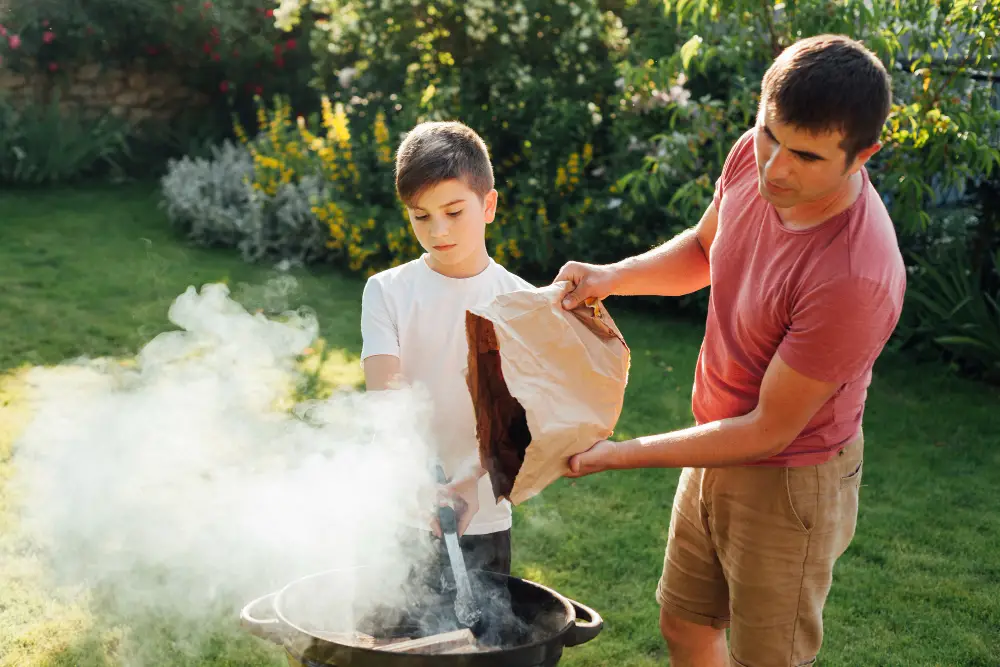
I watched the barrel roar in our Dayton backyard while he stood with his arms crossed, proud, like he was teaching me some sacred lesson about power.
My clothes. My notebooks. My work boots. My secondhand laptop. The hidden coffee mug that had belonged to my mother.
He thought destroying my possessions would destroy my will to leave.
He was wrong about what actually mattered.
That morning, before he ever touched a single drawer, I had already moved my documents, my savings, and my acceptance letter to my friend Nate’s car. The fire took what I owned, but it couldn’t touch what I intended.
I left that night with forty-three dollars and a backpack.
I didn’t go home when it got hard. I slept on a couch that smelled like old carpet. I worked demolition before sunrise. I studied trade school at night. I ate rice and peanut butter for months and felt zero shame, because shame was a luxury I couldn’t afford.
I learned the difference between fear and fuel.
And six years later, I stood in front of my father’s house with the keys in my hand.
Not because life was fair.
Because I refused to stop.
I built Hayes Restoration & Build from nothing. I took the ugly jobs — the water-damaged houses, the failing foundations, the tax-lien specials — because I understood broken things. I had grown up inside one.
I kept the family name on purpose. Not to honor him, but to redefine it.
The middle years weren’t glamorous. They were spreadsheets at 2 a.m., late-paying clients, winters when work slowed, and the voice in my head that still sounded exactly like my father telling me I would fail.
I learned to answer that voice with facts instead of fear.
Then the county auction notice came.
His house — the same house where he had lit that barrel — was falling apart from the exact pattern of deferred decisions I had seen in hundreds of distressed properties. Taxes unpaid. Roof failing. Maintenance ignored.
I bid like it was any other job.
When I won, I didn’t celebrate with revenge.
I called him and said three quiet words:
“Check your mailbox.”
Inside the envelope was a single photo: me standing in front of the house I now owned, keys in my right hand, expression calm. No note. No gloating. Just the truth.
He called back furious. The same accusations. The same attempts to make me feel small.
I let him finish.
Then I said the only thing I had carried since the night of the fire:
“You taught me what power looks like in the wrong hands. Thank you for teaching me what never to become.”
I renovated the house the same way I renovated every other project — clean, honest, to the highest standard. Then I sold it.
The profit didn’t go into my pocket.
It went into a small but growing fund that helps cover material costs for transitional housing repairs for young people aging out of foster care — kids who leave the system with nothing, just like I did at nineteen.
No family. No savings. No foundation.
I know exactly how that feels.
The real victory wasn’t buying the house.
It was crossing to the other side of that fire without becoming the man who lit it.
That was always the point.
The Life Lesson That Still Guides Me
Some parents don’t want you to succeed — they want you to stay small enough that they never have to face their own failures.
They use control disguised as love. Fear disguised as discipline. Destruction disguised as teaching.
My father didn’t burn my things because he hated me.
He burned them because the idea that I could build a life without his permission terrified him.
But here’s what I learned the hard way, standing in front of that barrel with flames on my face:
You don’t need their approval to become who you’re meant to be.
You don’t need their permission to leave.
And you definitely don’t need to become them to win.
The most powerful thing you can do is refuse to let their fire define you.
Build anyway.
Leave anyway.
Stay kind anyway.
I kept the name Hayes on my truck because I wanted the world to see what that name could mean when it wasn’t used as a weapon.
I turned the profit from his house into help for kids who have no one — because the cycle doesn’t have to continue.
And every time I hand a young person the keys to their first repaired home, I remember the boy who stood in that backyard with his hands over his face.
He didn’t break.
He became.
If you’re reading this and you’re still carrying the ashes of someone else’s fire — whether it’s a parent, a partner, or anyone who tried to burn your dreams to keep you under control — hear this:
The things they destroyed were never the real you.
The real you was already safe.
Already moving.
Already becoming.
You don’t have to burn anything down in return.
You just have to keep building.
Quietly.
Steadily.
Honestly.
Because the most beautiful revenge isn’t destruction.
It’s becoming the person they never believed you could be — and then using that life to lift up the next ones who need it.
I crossed that fire.
And I came out the other side without carrying the match.
That was, in the end, the only victory that ever mattered.